



 Menu
MenuGraphic Design Journal
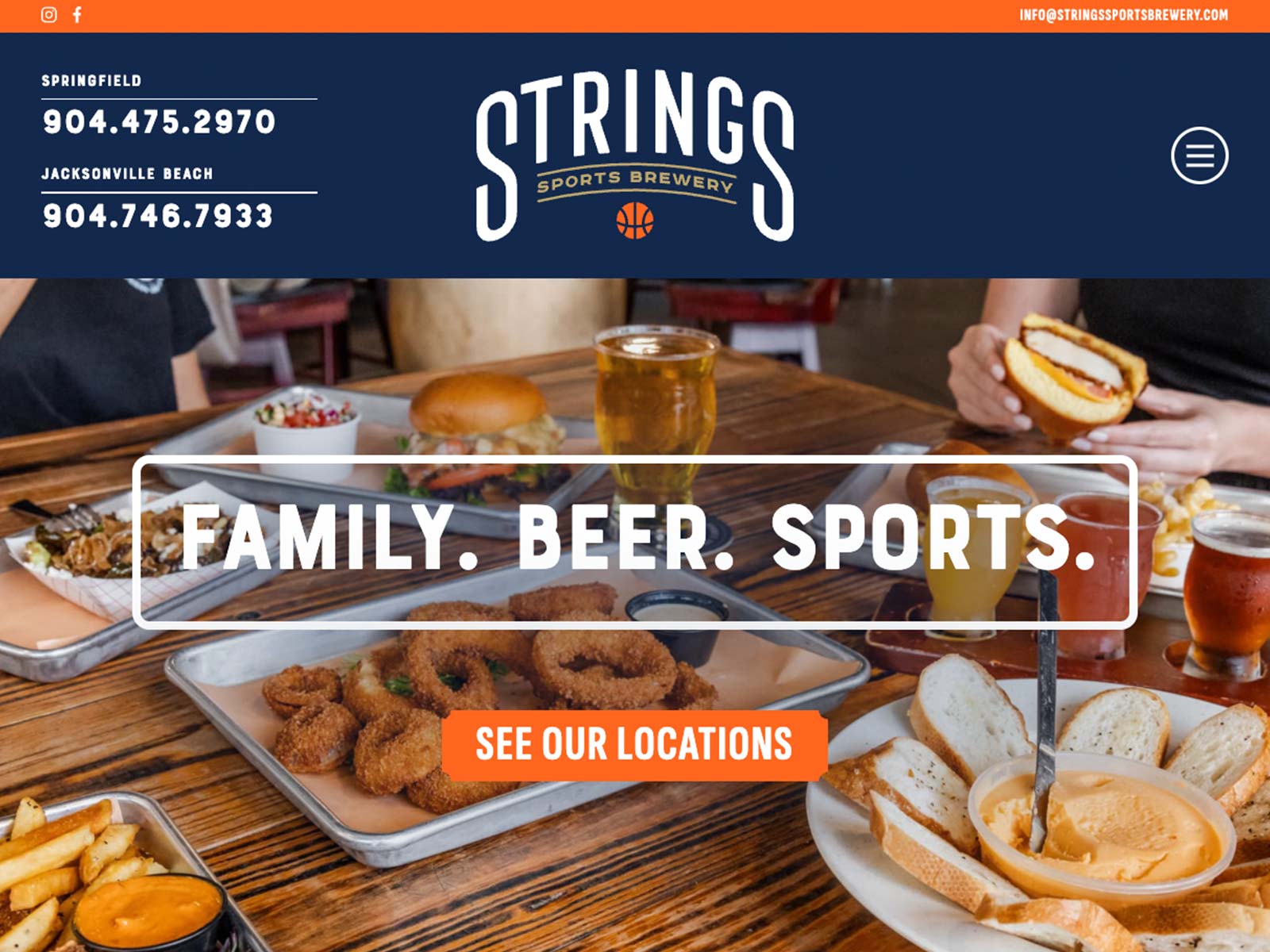
The Importance of Visual Brand Development in Website Design
In today’s digital marketplace, a website often serves as the first interaction a potential customer has with a company. Before a conversation happens, before a product is touched, and before a service is experienced, a visitor forms an impression based on what they see on the screen. That first impression is heavily influenced by visual brand development.
Effective website design is closely tied to strong brand identity. A thoughtful combination of logo design, color palette, typography, imagery, and layout creates a cohesive experience that communicates professionalism and builds trust. When these elements work together, a website becomes more than an online brochure. It becomes a powerful tool that guides visitors toward becoming customers.
For businesses in competitive markets such as Jacksonville and Northeast Florida, visual branding can be the difference between a visitor leaving the site or taking the next step to request a quote, make a purchase, or contact the company.
What Is Visual Brand Development?
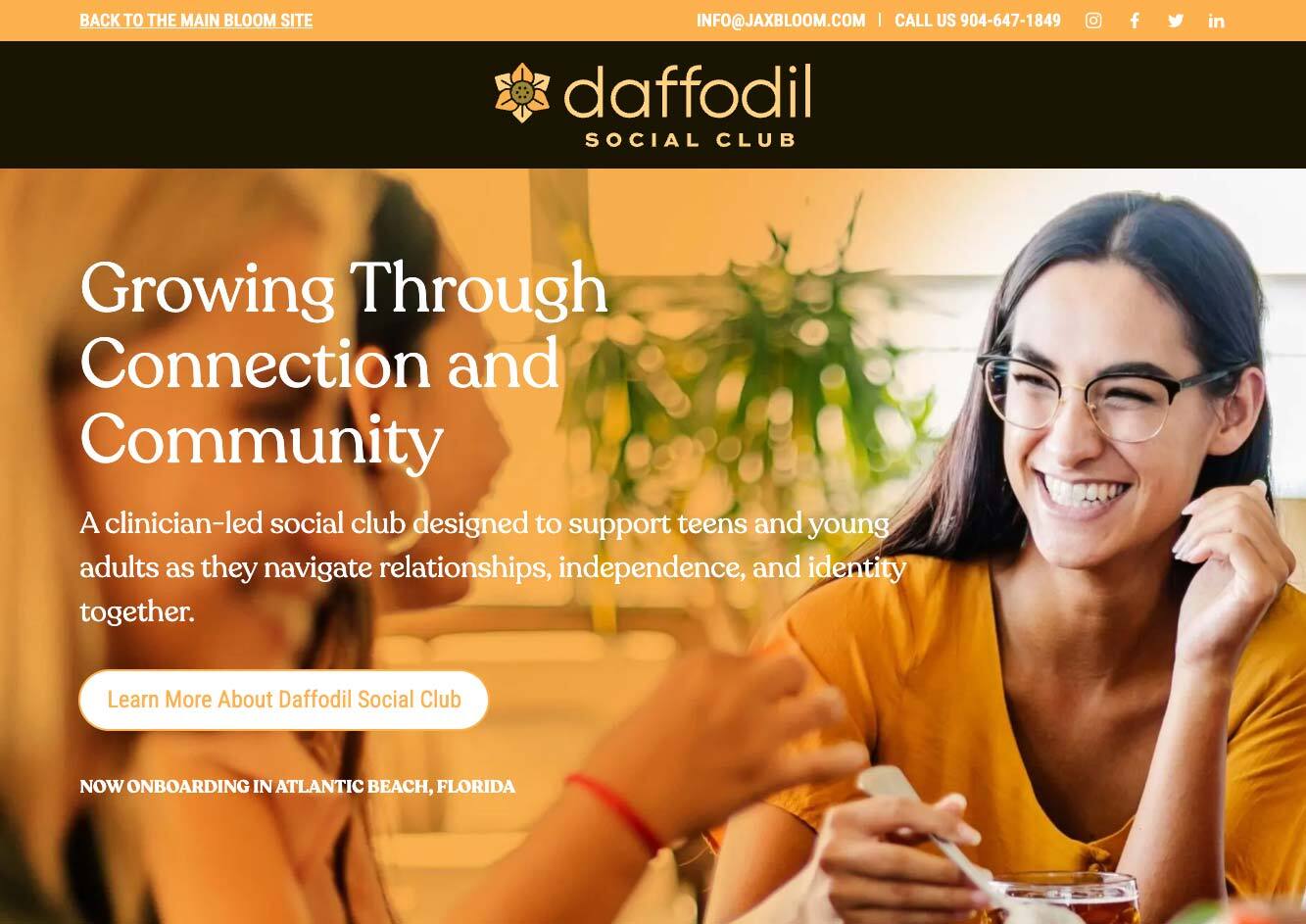
Visual brand development refers to the strategic design of the visual elements that represent a company. These elements form the visual language that customers associate with a brand. They create consistency across websites, social media, marketing materials, and physical products.
Core components of visual brand development include:
- Logo design and brand marks
- Color palette
- Typography and font systems
- Photography and illustration style
- Layout and graphic elements
- Iconography and visual symbols
When these elements are developed intentionally and used consistently, they create a recognizable identity that helps customers remember and trust a business.

How Branding Shapes the User Experience
Visitors form opinions about a website in seconds. Visual branding plays a large role in shaping that experience. A well designed brand identity communicates clarity, professionalism, and purpose.
When a website reflects a strong brand system, visitors experience several important benefits:
- Clear visual hierarchy that guides them through the page
- Consistent design language across pages
- Easy readability through thoughtful typography
- A recognizable identity that builds familiarity
This clarity makes it easier for visitors to understand what a company offers and how they can engage with it. When users feel comfortable navigating a site, they are far more likely to stay longer and explore additional pages.
Why Logo Systems Matter in Website Design
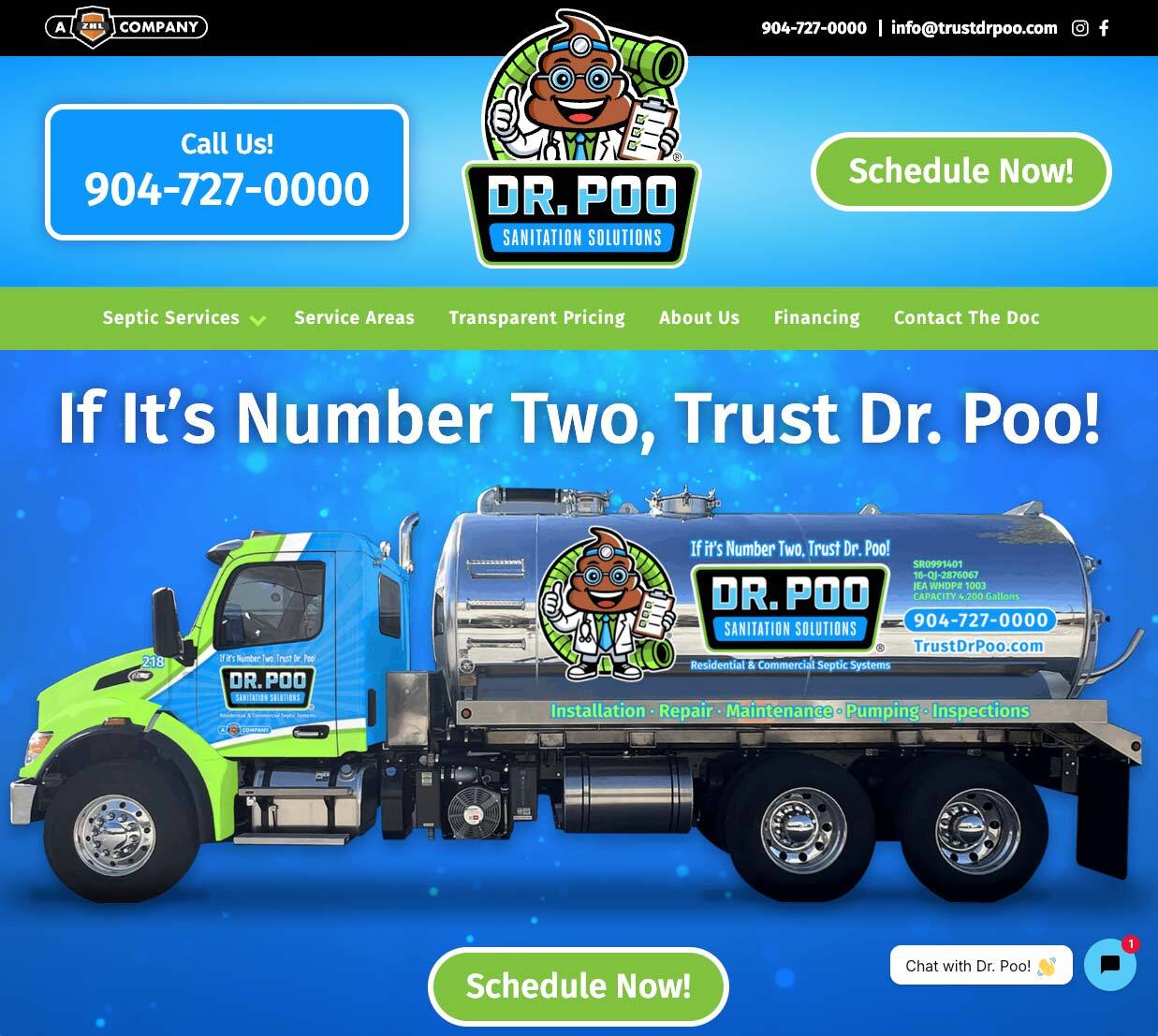
The logo is often the centerpiece of a brand identity. Many companies think of a logo as a single graphic, but effective branding usually includes a full logo system.
A logo system may include:
- Primary logo
- Secondary logo or horizontal version
- Brand mark or symbol
- Simple icon or favicon
This flexibility allows the brand to remain consistent across different areas of the website. The primary logo may appear in the header, a simplified mark may appear in navigation or footers, and an icon may represent the company in browser tabs or mobile views.
When a logo system is designed with digital use in mind, it integrates naturally into website layouts and strengthens brand recognition.
The Role of Color in Brand Recognition
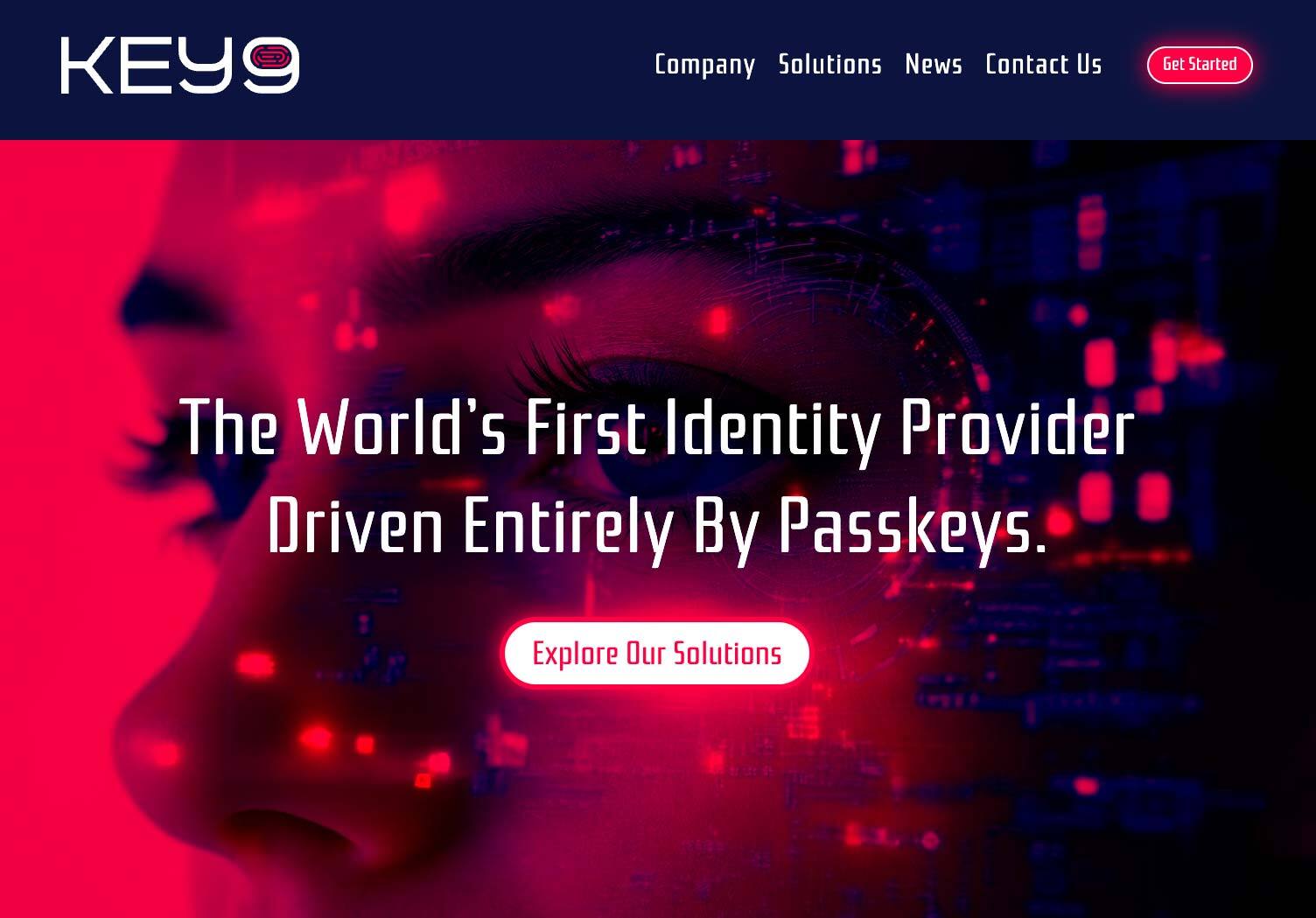
Color is one of the most powerful visual tools in branding. A consistent color palette helps visitors quickly recognize a brand and understand its personality.
Different colors communicate different emotional cues. Deep blues may convey trust and reliability. Earth tones can reflect authenticity and craftsmanship. Bright colors may suggest energy and creativity.
In website design, color also plays a functional role. Designers use color to highlight important elements such as call to action buttons, navigation links, and key information.
A well defined color system ensures that the website remains visually consistent across pages and devices. It also helps guide the user’s attention toward the actions that lead to conversions.
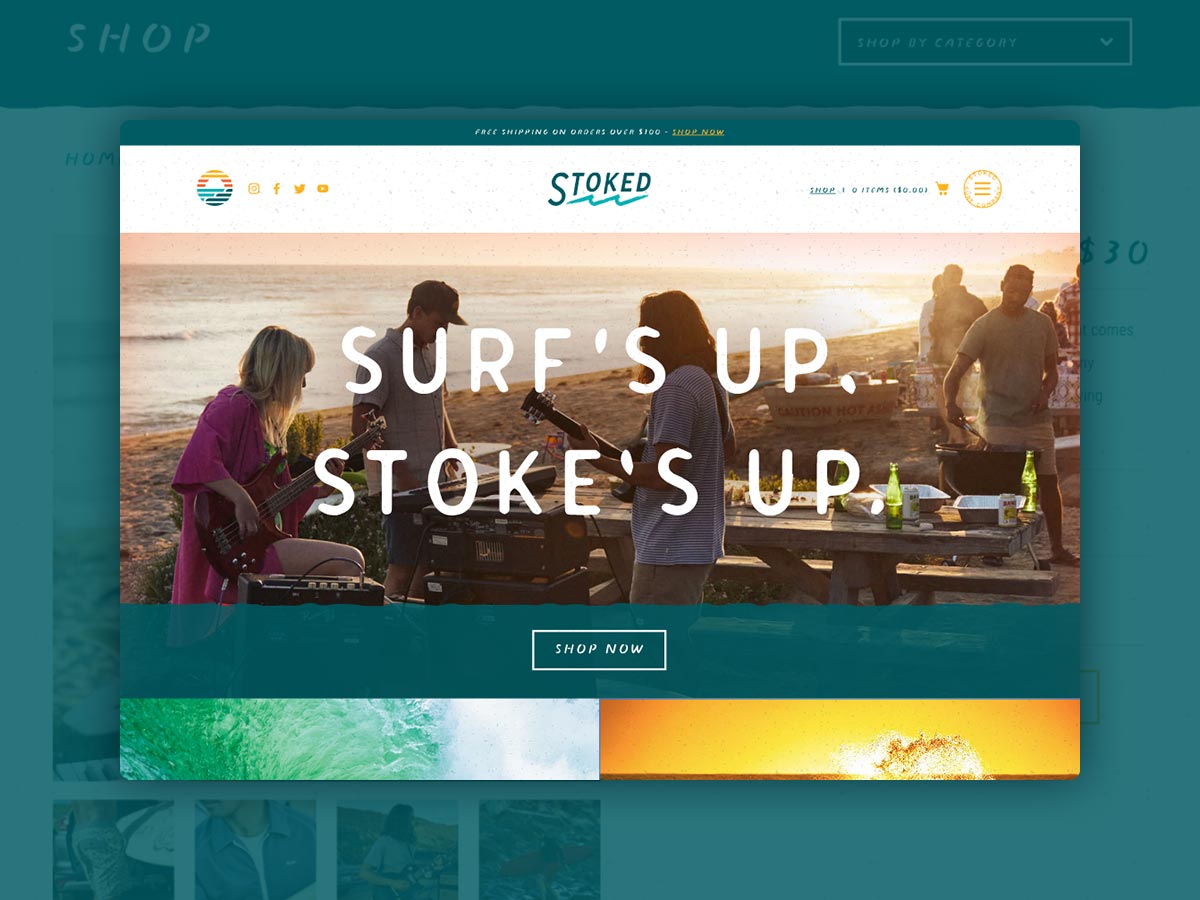
Typography and Readability
Typography is a foundational part of brand development that often receives less attention than logos or colors. The fonts chosen for a brand affect both readability and personality.
Effective website typography considers:
- Font style that aligns with the brand identity
- Clear hierarchy between headings and body text
- Spacing and line height for comfortable reading
- Compatibility across devices and screen sizes
When typography is handled thoughtfully, content becomes easier to read and understand. Visitors can quickly scan headings, absorb information, and follow the structure of a page.
This clarity improves the overall experience and supports the goal of converting visitors into customers.
The Impact of Imagery and Illustration
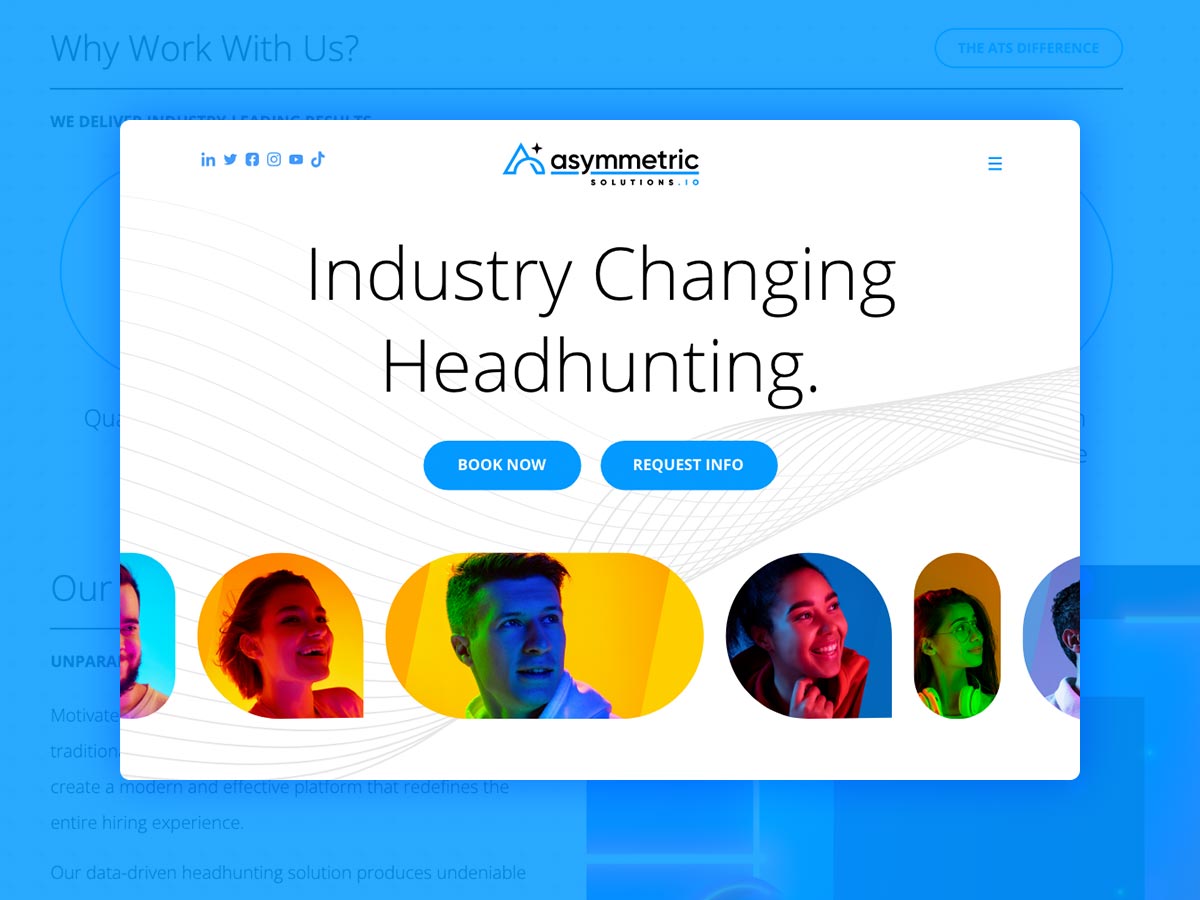
Photography and illustration add personality to a website and help tell the story of a brand. Images can communicate emotion, craftsmanship, professionalism, and lifestyle.
Consistent imagery creates a unified look throughout the website. This might include:
- Professional photography of products or services
- Lifestyle images that reflect the brand audience
- Custom illustrations or graphic elements
- Textured backgrounds or subtle design details
For brands with a strong visual identity, illustration and custom graphics can become a signature element. These details create memorable experiences that distinguish a company from competitors.
Turning Visual Branding Into Conversions
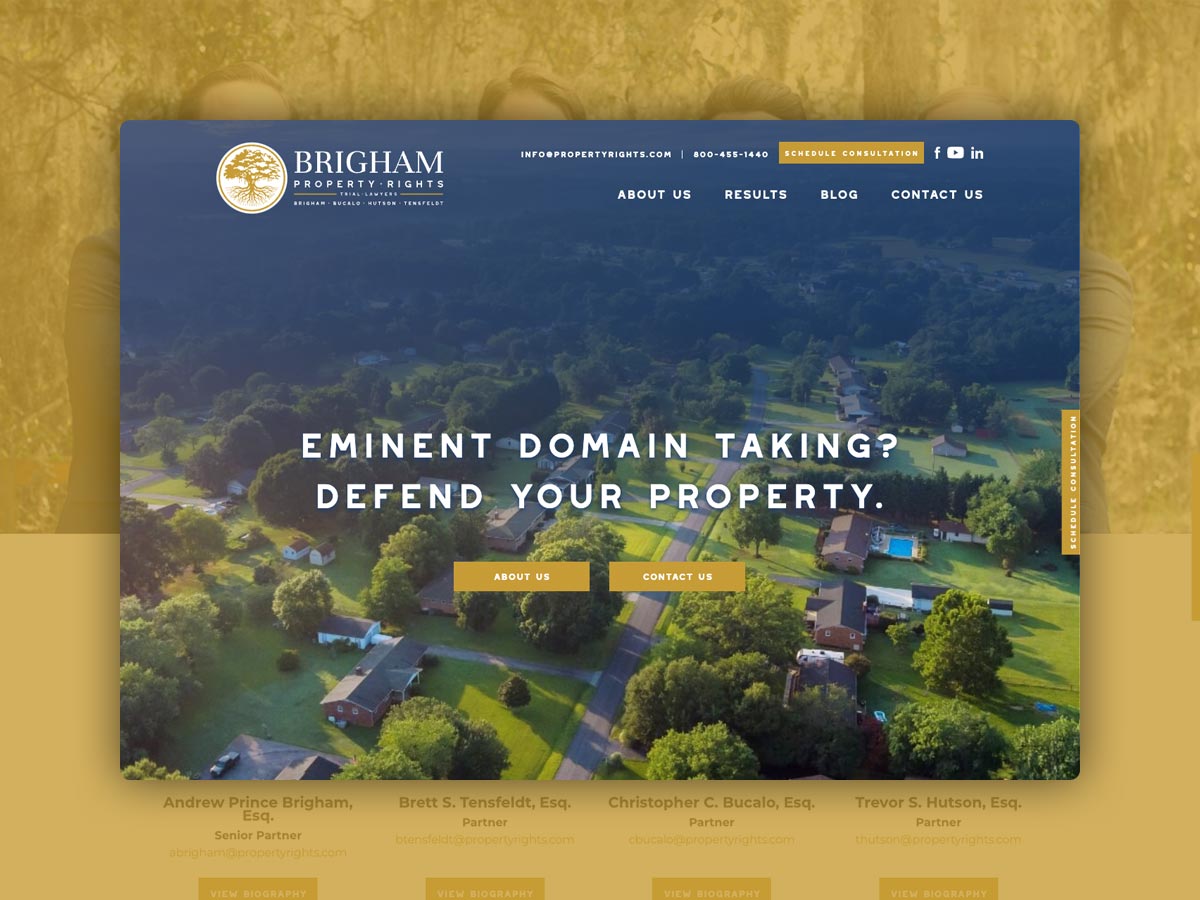
Strong visual branding contributes directly to business results. When visitors trust what they see, they are more likely to take action.
Several design factors influence conversion behavior:
- Professional design builds credibility
- Clear calls to action guide visitors toward the next step
- Consistent branding reinforces trust
- Visual hierarchy makes information easier to understand
When these elements work together, the website becomes an effective sales tool. Visitors feel confident in the business and are more willing to submit a form, request a consultation, or make a purchase.
In many cases, the difference between a visitor leaving a site and becoming a customer comes down to trust. Visual branding plays a major role in establishing that trust.
The Role of Google in Bringing Visitors to Your Website
Even the most beautiful website must first be discovered. Search engines such as Google play a major role in connecting customers with businesses.
Search engine optimization helps websites appear in search results when users look for products or services. When a potential customer searches for a local service or a specific type of business, the websites that appear in those results become the first impression of those companies.
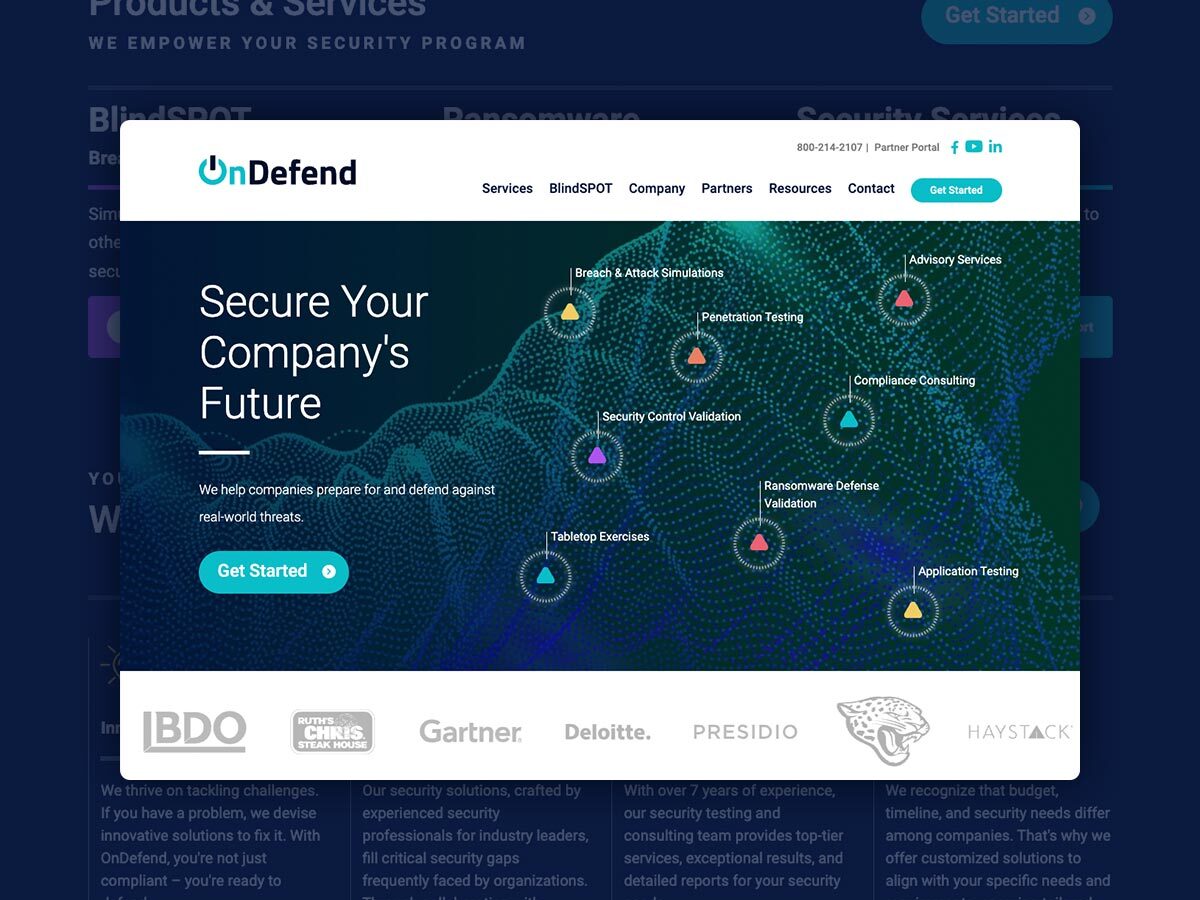
Once a visitor clicks a result, visual branding takes over. The design of the site quickly communicates whether the company appears professional and trustworthy.
A website that looks polished and thoughtfully branded creates confidence. Visitors are more likely to stay on the site, read the content, and explore additional pages.
When a site feels outdated or inconsistent, visitors may leave quickly and return to the search results. This behavior can reduce conversions and limit the effectiveness of SEO efforts.
Strong branding ensures that when Google sends visitors to a website, those visitors experience a polished and credible presentation that supports the goal of turning interest into action.
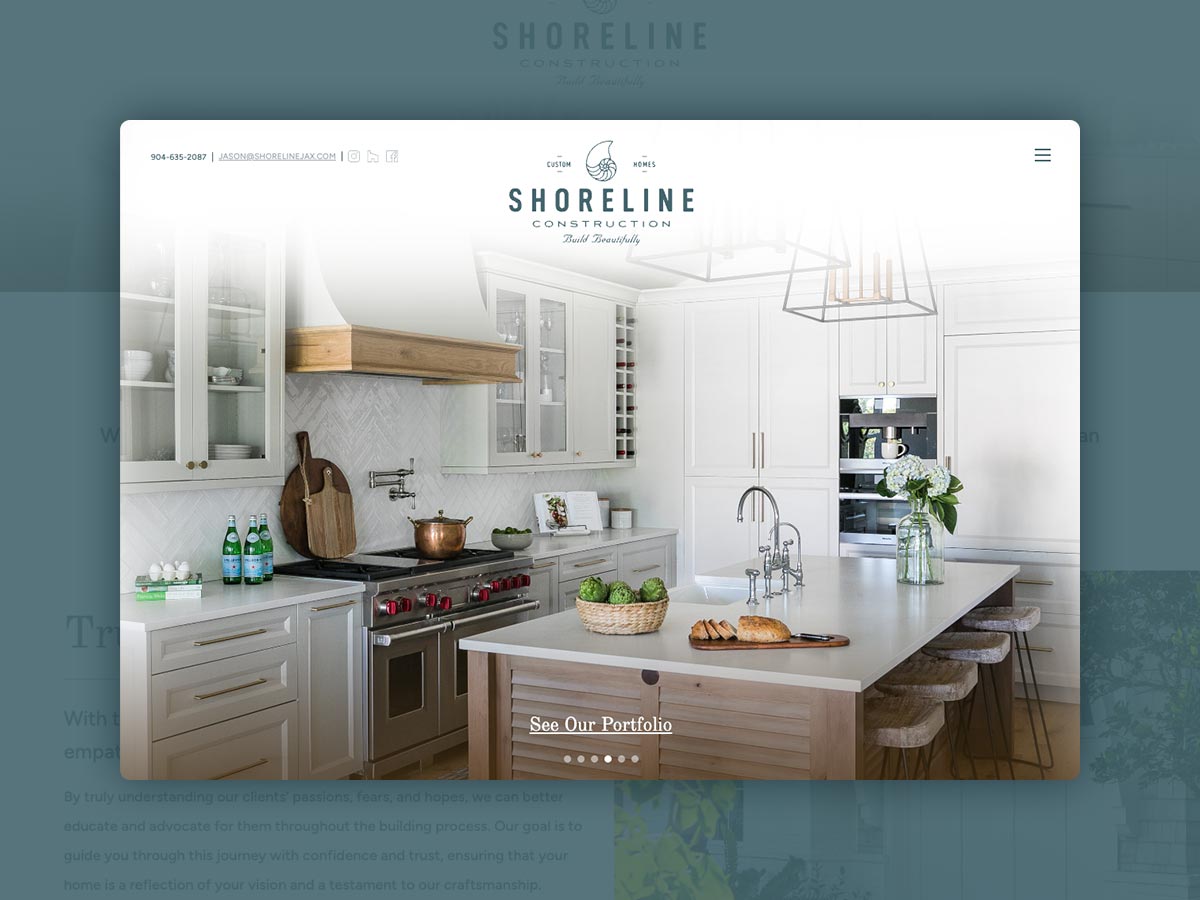
Consistency Across Marketing Channels
A website does not exist in isolation. Customers often encounter a brand through multiple channels before visiting the site.
These channels may include:
- Social media platforms
- Email newsletters
- Online advertisements
- Printed marketing materials
- Product packaging
Consistent branding across these touchpoints reinforces recognition and credibility. When visitors arrive at the website and see the same visual identity they encountered elsewhere, the brand feels cohesive and trustworthy.
This consistency strengthens the customer journey and increases the likelihood that a visitor will move forward in the decision making process.
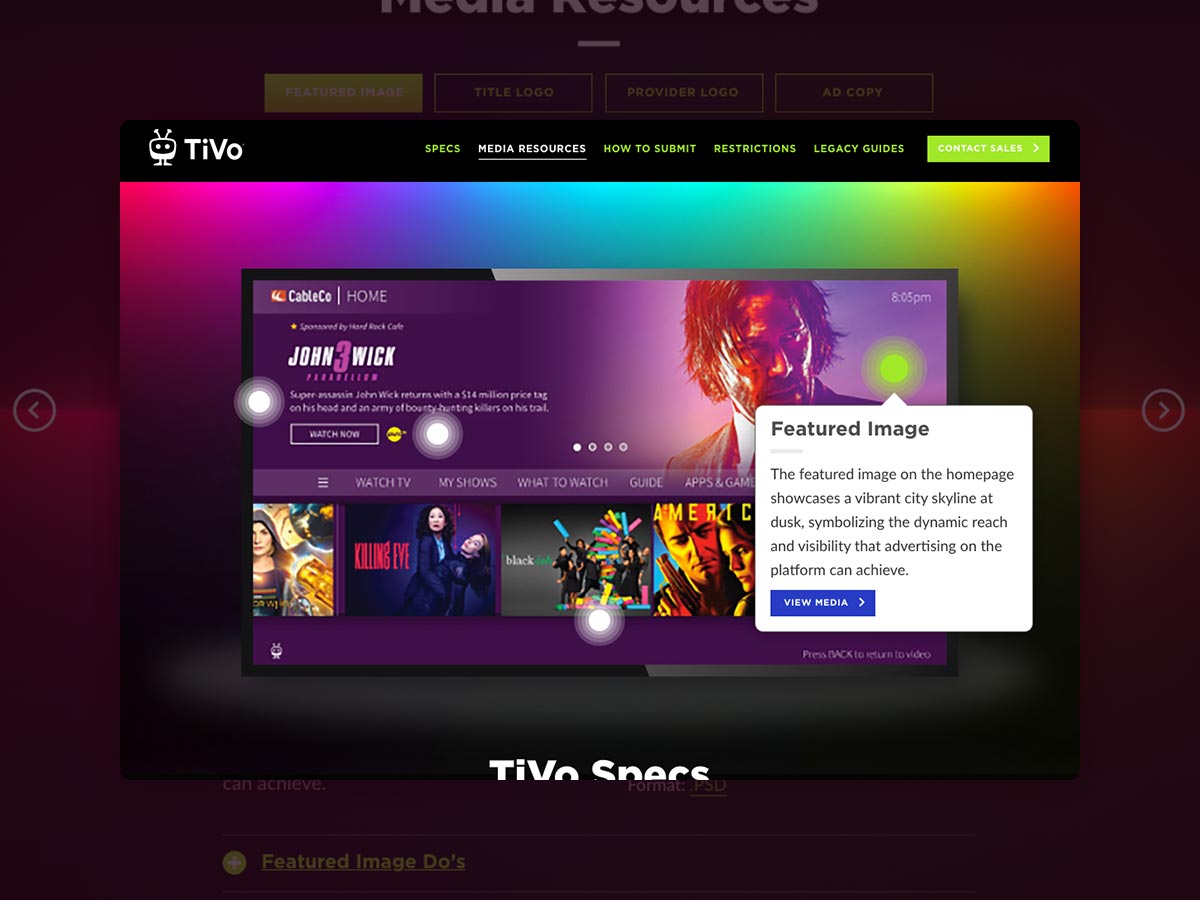
Building a Website That Reflects Your Brand
Developing an effective website begins with understanding the brand itself. Before design and development begin, businesses benefit from defining the visual system that represents them.
This process often includes:
- Developing a logo and brand mark system
- Defining a color palette
- Selecting typography
- Establishing photography and illustration style
- Creating guidelines for consistent design
When these elements are established early, website design becomes more cohesive and efficient. Every page can follow the same visual language, creating a seamless experience for visitors.

Why Professional Brand Design Matters
Many businesses begin with basic branding and later realize that their visual identity does not fully support their growth. As companies expand, they often need a brand system that reflects their professionalism and communicates their value clearly.
Professional brand development ensures that every visual element of the website supports the larger goals of the business. A thoughtful brand system creates clarity for customers and strengthens the effectiveness of marketing efforts.
For companies looking to compete in modern digital markets, investing in strong visual branding is an investment in long term growth.
Final Thoughts
Website design and brand development are closely connected. A well branded website communicates professionalism, builds trust, and guides visitors toward becoming customers.
Through thoughtful design of logos, colors, typography, imagery, and layout, businesses can create online experiences that feel clear, cohesive, and memorable.
When combined with search visibility through Google, a strong visual brand helps transform website visitors into real customers.
For businesses in Jacksonville and beyond, investing in brand driven website design creates a foundation for long term digital success.


Branding Bars, Restaurants, and Entertainment Venues: Strong Visual Identity Creates Memorable Experiences
A strong visual brand creates recognition, builds trust, shapes the customer experience, and ultimately drives revenue. When done correctly, branding becomes part of the atmosphere itself. It lives on the walls, in the menus, on the merchandise, and in the…

Brand Design for Adam Wardziński’s 2026 Octopus Butterfly U.S. Tour
Working with Adam Wardziński (@wardziak_bjj) on the brand design for his 2026 Octopus Butterfly U.S. Tour was one of those moments. As longtime fans of Adam’s jiu jitsu and his technical mastery of the butterfly guard, this project was already…
A Year of Logo Design, Illustration, and Brand Development at 63 Visual
Our annual recap has become a snapshot of where our studio is, how our craft is evolving, and the trust our clients continue to place in us. This past year marked the most logo and illustration heavy year in the…
GET IN TOUCH
GET IN TOUCH
Let’s Work Together
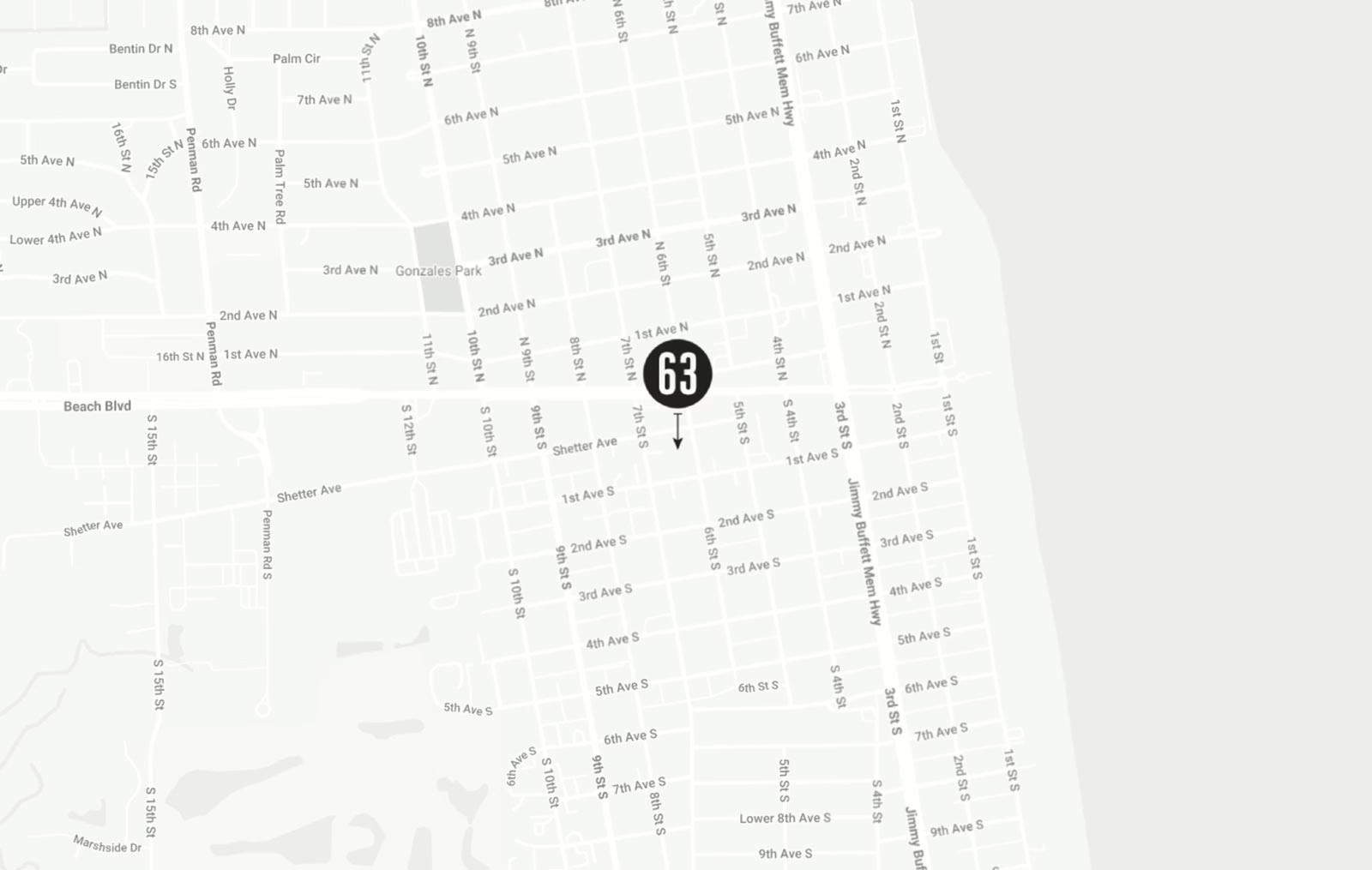
63 Visual Design Company
602 Shetter Avenue
Jacksonville Beach, Florida 32250
833.630.6363
info@63visual.com
